
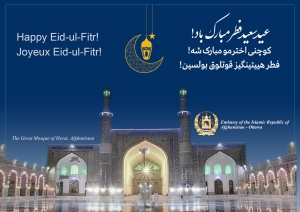
به اطلاع عموم مراجعین محترم سفارت جمهوری اسلامی افغانستان در کانادا رسانیده می شود که سفارت و بخش قونسلی آن به روز جمعه، مؤرخ 21 اپریل 2023 به مناسبت عید سعید فطر تعطیل می باشد.ـ
خبرتیا
په اوتاوا-کاناډا کې د افغانستان د اسلامي جمهوریت سفارت ټولو محترم مراجعینو ته خبر ورکول کیږي، چې سفارت او د قونسلي چارو څانګه به د راتلونکې جمعې په ورځ چې د 2023 کال د اپریل میاشتې له 21 سره برابره ده، دکوچینې اختر دعمومی رخصتی په مناسبت تړلي وي.ـ
ANNOUNCEMENT
The Embassy of the Islamic Republic of Afghanistan and the Consular Section in Ottawa will be closed on Friday, April 21, 2023, on the occasion of Eid-ul-Fitr.
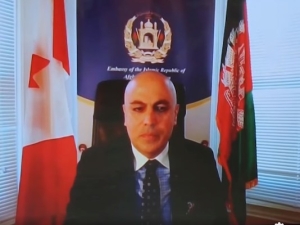
On Sunday, April 09, 2023, Ambassador Hassan Soroosh participated as a speaker in the inaugural event of the Toronto-based Canadian International School of Afghanistan which will serve as a virtual school offering education to girls in Afghanistan.
Ambassador Soroosh stated that “at a time when Afghan women and girls are being systematically pushed out of public life and are denied access to their very basic rights including the right to education and employment, initiatives of this nature remain important in creating hope and avenues for Afghan women and girls to pursue their education.”
Ambassador Soroosh stressed the importance of ensuring synergy and complementarity between various online education platforms for Afghan women and girls in order to maximize the impact.
He also highlighted that “in addition to online education opportunities, it is also important to provide scholarships for in-person education and ease admission and visa application processes for Afghan women to pursue their education abroad including here in Canada.”
Ambassador Soroosh also emphasized the significance of collective advocacy efforts in support of women’s rights including the right to education and employment in Afghanistan.
Ambassador Soroosh thanked the government of Canada for the previous assistance to many important areas including education and women’s empowerment in Afghanistan as well as for the ongoing humanitarian aid, resettlement support and advocacy efforts in support of the people of Afghanistan particularly women and girls.
The Canadian International School of Afghanistan has been established by Dr. Allah Mohammad Kakar, former Afghanistan Youth Parliament member who currently lives in Canada.
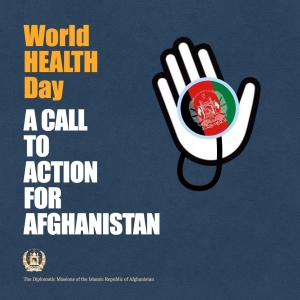
On the World Health Day 2023, the Diplomatic Missions of the Islamic Republic of Afghanistan express grave concern about the increasing health challenges faced by the people of Afghanistan.
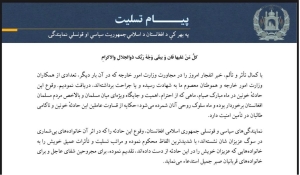

OTTAWA: APRIL 7, 2023
اطلاعیه
به اطلاع عموم مراجعین محترم سفارت جمهوری اسلامی افغانستان در کانادا رسانیده می شود که سفارت و بخش قونسلی آن به روز جمعه، مؤرخ 7 اپریل و دوشنبه مؤرخ 10 اپریل 2023 به مناسبت رخصتی های عمومی در کانادا مسدود می باشد.ـ
خبرتیا
په اوتاوا-کاناډا کې د افغانستان د اسلامي جمهوریت سفارت ټولو محترم مراجعینو ته خبر ورکول کیږي چې، سفارت او د قونسلي چارو څانګه به د راتلونکې جمعې او دوشنبې په ورځو چې د 2023 کال د اپریل میاشتې له 7 او 10 سره برابرې دي، په کاناډا کې د عمومي رخصتیو په مناسبت تړلي وي.ـ
HOLIDAY ANNOUNCEMENT
The Embassy of the Islamic Republic of Afghanistan and the Consular Section in Ottawa will be closed on Friday, April 7, and Monday, April 10, 2023, on the occasion of Canadian holidays.
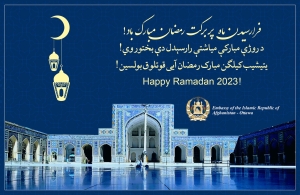
خبرتیا
د روژې مبارکې میاشتې د رارسېدو د مبارکۍ او د څښتن تعالی په دربار کې د اطاعتونو او عبادتونو د قبولۍ د هیلو په وړاندې کولو سره، په اوتاوا کې د ا.ا.ج سفارت ټولو محترمو مراجعینو ته خبر ورکول کیږي چې سفارت او د قونسلي چارو څانګه به د پنجشنبې په ورځ چې د ۲۰۲۳ د مارچ له ۲۳ نېټې سره برابره ده د روژې مبارکې میاشتې د لومړۍ ورځې په مناسبت رخصت وي.ـ
په دغه مبارکه میاشت کې د سفارت کاري وختونه هره ورځ د سهار له ۹ بجو څخه د ماسپښین تر ۲ بجو پورې تنظیم شوي.ـ
اطلاعیه
با عرض تبریک به مناسبت فرا رسیدن ماه مبارک رمضان و با آرزوی قبولی طاعات و عبادات به اطلاع مراجعین محترم رسانیده می شود که سفارت ج.ا.ا در اوتاوا و بخش قونسلی آن به روز پنجشنبه، مورخ ۲۳ مارچ ۲۰۲۳ به مناسبت اولین روز ماه مبارک رمضان تعطیل می باشد.ـ
اوقات کاری سفارت در ماه مبارک رمضان، همه روزه از دوشنبه الی جمعه، از ساعت 9 الی 2 عصر میباشد.ـ
Announcement
The Embassy of the Islamic Republic of Afghanistan in Ottawa and its Consular Section will be closed on Thursday, March 23, 2023 on the occasion of the first day of the Holy Month of Ramadan.
The Embassy’s working hours during the Holy Month of Raman will be from 9:00 am to 2:00 pm, Monday to Friday.
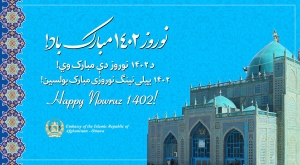
OTTAWA: MARCH 20, 2023
به اطلاع عموم مراجعین محترم سفارت جمهوری اسلامی افغانستان در کانادا رسانیده می شود که سفارت و بخش قونسلی آن به روز سه شنبه، مؤرخ 21 مارچ 2023 به مناسبت نوروز و جشن دهقان سال 1402 تعطیل می باشد.ـ
په اوتاوا کې د افغانستان د اسلامي جمهوریت سفارت ټولو محترم مراجعینو ته خبر ورکول کیږي، چې سفارت او د قونسلي چارو څانګه به د سه شنبې په ورځ چې د 2023 کال د مارچ له ۲۱ نېټې سره برابره ده، د 1402 کال د نوروز او بزګر د مېلې د عمومي رخصتۍ په مناسبت تړلي وي.ـ
The Embassy of the Islamic Republic of Afghanistan and the Consular Section in Ottawa will be closed on Tuesday, March 21, 2023 on the occasion of Nowruz and New Year 1402.
OTTAWA: MARCH 8, 2023
The following is a statement from the Foreign Ministers of Australia, Belgium, Canada, Denmark, Finland, France, Germany, Italy, Japan, the Kingdom of Saudi Arabia, the Netherlands, New Zealand, Norway, the Republic of Korea, Spain, Sweden, Switzerland, Türkiye, the United Kingdom, and the United States and the High Representative of the European Union.
“On the occasion of International Women’s Day, March 8, 2023, we united in calling attention to the situation in Afghanistan, which, over the past year and a half, has seen one of the steepest declines globally in the respect for the human rights of women and girls. Afghan women and girls have been denied access to secondary education, to higher education, to public and political spaces, and to employment opportunities. Services for supporting victims of gender-based violence have been largely dismantled. Unless reversed, the harmful effects of these reprehensible measures will be devastating and irreparable on Afghanistan’s economy and society – effects that will be felt by every Afghan. The full respect for the human rights and fundamental freedoms of women and girls and their equal, and meaningful participation of in society are not only goals in themselves but also are prerequisites for sustainable economic and political development, social cohesion, stability, and peace in Afghanistan.
“We unite in acknowledging the extraordinary courage of women and girls in Afghanistan. Despite mounting restrictions and intimidation by the Taliban, they continue to support and contribute to their families and communities. We applaud the many Afghan communities and individuals who have strongly and bravely stood up in support of Afghan women and girls.
“We support the calls by the people of Afghanistan for women and girls’ full access to quality education at schools and universities and women’s unrestricted ability to work in all sectors, including humanitarian assistance and basic services delivery, equitable and comprehensive delivery of which is impossible without full participation of women.
“We note the December 2022 statement from the Organization of Islamic Cooperation (OIC) that the decision to prevent women and girls from accessing education runs contrary to Islamic law. We are deeply concerned that Afghanistan is experiencing one of the world’s largest humanitarian crises, with millions on the threshold of starvation. The Taliban’s edict barring women from working for national and international nongovernmental organizations, and the effects of the edict on some governmental organizations, is already jeopardizing the efforts of humanitarian organizations to reach the more than 28 million Afghans who depend on humanitarian aid to survive.
“We acknowledge the key role of the UN in the delivery of humanitarian assistance. Barring women and girls from receiving an education and excluding women from working in crucial sectors will also severely inhibit the much-needed economic recovery of Afghanistan.
“This support for the Afghan people is particularly relevant, as we fear that the Taliban will implement further measures restricting women and girls’ exercise of civil, political, economic, cultural, and social rights, with a dire impact on the future of Afghanistan and its people.
“Together we urge the Taliban to respect all people of Afghanistan, deliver on their commitments to the Afghan people and the international community, and reverse all decisions and practices restricting women’s and girls’ exercise of their human rights and fundamental freedoms.”
OTTAWA: MARCH 8, 2023:
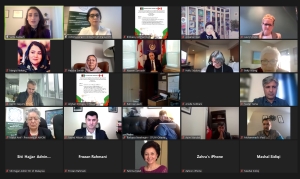
Today, on International Women’s Day, the Afghan Embassy in Ottawa hosted a virtual event to honor the courage and resilience of women and girls in Afghanistan and to voice our collective support for their rights and aspirations as they continue to struggle for a better future and a better world in the face of many unspeakable challenges.
The event was attended by participants from the Canadian departments, diplomatic community, civil society, humanitarian sector and the Afghan diaspora community.
The speakers included Ambassador Hassan Soroosh; Mrs. Habiba Sarabi, former Minister of Women’s Affairs in Afghanistan and former member of Peace Negotiation Team; Ms. Nargis Nehan, former Acting Minister of Mines and Petroleum of Afghanistan; Dr. Lauryn Oats, Executive Director, Canadian Women for Women in Afghanistan; Ms. Adeena Niazi, Executive Director, Afghan Women’s Organization; Ms. Victoria Jahesh, Executive Director, Afghan Women’s Centre of Montreal; Ms. Hally Siddons from the University Women Helping Afghan Women & the Canadian Federation of University Women, Ottawa.
The speakers discussed the tragic human rights situation in Afghanistan and expressed their concern over the increasing repressive policies and measures by the Taliban against women and girls. They stressed the importance of greater support to Afghan women and girls under a united approach and through various advocacy and protection mechanisms and proactive measures.
Ambassador Soroosh expressed his gratefulness to Canada for the previous and ongoing humanitarian, advocacy and resettlement efforts in support of the people of Afghanistan particularly Afghan women and girls and highlighted the significance of sustained collective efforts in this regard. He also extended his appreciation for the excellent work of Afghan, Canadian and international partners in support of Afghan women and newcomers from Afghanistan.
The event was moderated by Ms. Yalda Baktash, Afghan journalist and human rights activist.
OTTAWA: MARCH 8, 2023:
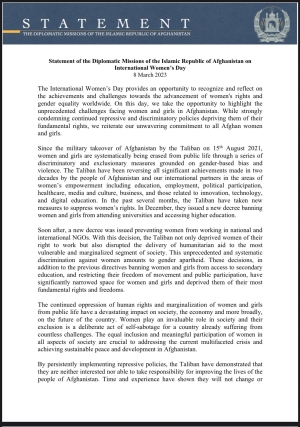
Statement of the Diplomatic Missions of the Islamic Republic of Afghanistan on International Women's Day
